In today’s digital economy, cloud computing has become the backbone of innovation and scalability. At the forefront of this technological revolution is Amazon Web Services (AWS) — a comprehensive cloud platform offering over 200 fully featured services from data centers worldwide. For businesses, developers, and individuals looking to build reliable, secure, and cost-effective solutions, an aws account for sale is the starting point of that journey.
What is an AWS Account?
An AWS account is your gateway to Amazon’s cloud ecosystem. It’s a secure and customizable environment that allows you to access, configure, and manage cloud resources like servers, databases, storage, machine learning tools, and networking services.
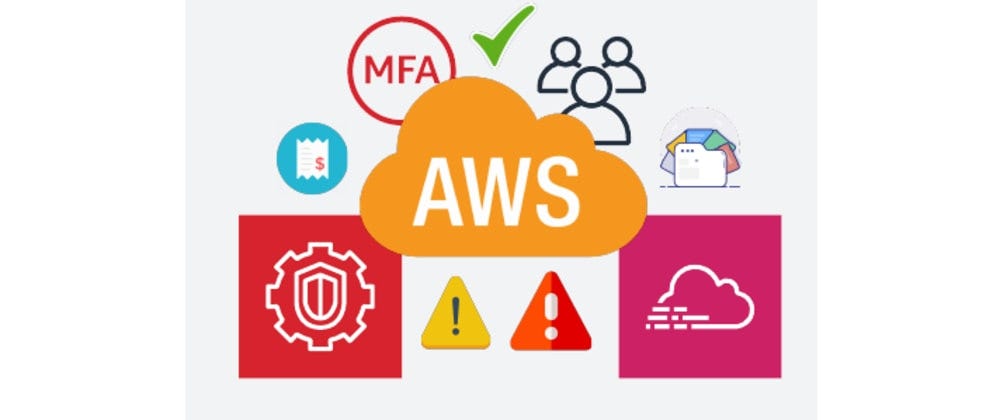
Each AWS account operates independently, meaning you have full control over your cloud resources, billing, and access permissions. Whether you’re launching a personal web app, managing a corporate IT infrastructure, or developing AI models, your AWS account is the foundation for deploying and maintaining those workloads.
When you sign up for AWS, you gain access to the AWS Management Console, a web-based interface that lets you monitor and manage your services with ease. Alternatively, advanced users can interact through the AWS Command Line Interface (CLI) or Software Development Kits (SDKs) for automation and integration with existing tools.
Key Features of an AWS Account
1. Identity and Access Management (IAM)
Security is central to AWS. With IAM, you can create and manage users, groups, and permissions to ensure only authorized individuals have access to specific resources. IAM supports Multi-Factor Authentication (MFA) and fine-grained access policies, which enhance account protection and compliance.
2. Resource Management and Organization
AWS provides a structure for managing multiple environments efficiently. You can create multiple AWS accounts for different projects or departments and link them under a single AWS Organization. This setup allows centralized billing, policy control, and easier governance for large-scale deployments.
3. Billing and Cost Management
Every AWS account comes with detailed billing dashboards and Cost Explorer tools to help users monitor spending and optimize usage. The Free Tier gives new users limited access to certain services for 12 months, making it ideal for experimentation or learning.
4. Scalability and Flexibility
One of the key advantages of having an AWS account is elasticity. You can scale your infrastructure up or down depending on demand — whether it’s adding compute instances during peak traffic or reducing them when idle. This pay-as-you-go model ensures cost efficiency and resource optimization.
5. Security and Compliance
AWS maintains global security standards such as ISO 27001, SOC 2, and GDPR compliance. Your AWS account benefits from built-in encryption, security monitoring, and compliance tools to help you meet organizational and regulatory requirements.
Setting Up an AWS Account
Creating an AWS account is straightforward, but it’s important to understand the key steps involved to ensure proper configuration and security from the start.
- Sign Up on the AWS Website: Visit aws.amazon.com and click “Create an AWS Account.” You’ll need an email address, password, and payment method.
- Verify Identity: AWS will verify your phone number and card details to activate the account.
- Select Support Plan: Choose between Basic (free), Developer, Business, or Enterprise support.
- Log In to the AWS Management Console: Start exploring services like EC2, S3, and RDS.
- Set Up IAM Users: Avoid using the root account for daily tasks — create IAM users instead.
Types of AWS Accounts
- Single Account: Ideal for individuals or small projects. All services are managed under one account.
- Multi-Account Structure: Recommended for businesses. Separate accounts for production, testing, and development ensure better isolation.
- AWS Organizations: A centralized structure that consolidates billing and policy management for multiple accounts.
Benefits of Having an AWS Account
- Global Reach: Deploy applications across 30+ regions and 100+ availability zones worldwide.
- Reliability: High uptime and redundancy across all services.
- Innovation: Access cutting-edge AI, machine learning, and blockchain tools.
- Cost Efficiency: Pay only for what you use, with options for auto-scaling and savings plans.
- Ecosystem Support: Integrations with third-party tools and a large developer community.
Best Practices for Managing Your AWS Account
- Enable MFA for root and admin users.
- Set up budgets and cost alerts to manage spending.
- Tag resources for organization and cost tracking.
- Audit IAM permissions regularly.
- Use consolidated billing for multiple accounts.
Common Use Cases of AWS Accounts
- Web Hosting: Deploy scalable websites with EC2 and Elastic Beanstalk.
- Data Storage: Store and retrieve files securely using S3.
- Machine Learning: Train models with Amazon SageMaker.
- Game Development: Host multiplayer game servers using AWS GameLift.
- Enterprise IT: Manage databases, analytics, and virtual desktops.
Conclusion
An AWS account is much more than a login—it’s the foundation for modern cloud computing. It empowers organizations to innovate faster, scale efficiently, and operate securely within a global infrastructure.
Whether you’re a developer testing an app, a startup building your first product, or an enterprise migrating workloads to the cloud, understanding how to manage and secure your AWS account effectively can make all the difference in achieving success in the digital era.